Lamb, with its distinctively rich, often gamey, and undeniably savory flavor, is a culinary delight beloved across cultures. Yet, to truly unlock its full potential and elevate a lamb dish from merely good to absolutely extraordinary, understanding the art of pairing it with the right aromatic enhancers is key. This is where the magic of the right herb for lamb comes into play. Herbs don't just add a whisper of flavor; they can transform, balance, and highlight the meat's unique characteristics, making every bite a memorable experience.
Understanding Lamb's Unique Flavor Profile
Before diving into specific pairings, it’s crucial to appreciate lamb's inherent qualities. Generally, lamb possesses a robust flavor that can be described as earthy, savory, and sometimes subtly sweet, with a distinct 'gamey' undertone. This flavor intensity can vary significantly based on the cut, the animal's age (spring lamb is milder than older lamb), and even its diet. Because of this richness, lamb stands up exceptionally well to bold, aromatic herbs that might overpower more delicate meats. The goal is not to mask the lamb, but to complement and enhance its natural deliciousness, creating a harmonious symphony of flavors on the palate.
The Quintessential Classics: Essential Herbs for Lamb
When searching for the perfect herb for lamb, certain classic pairings consistently deliver outstanding results. These herbs have been cherished alongside lamb for centuries, proving their timeless compatibility.
Rosemary: The Bold & Aromatic Staple
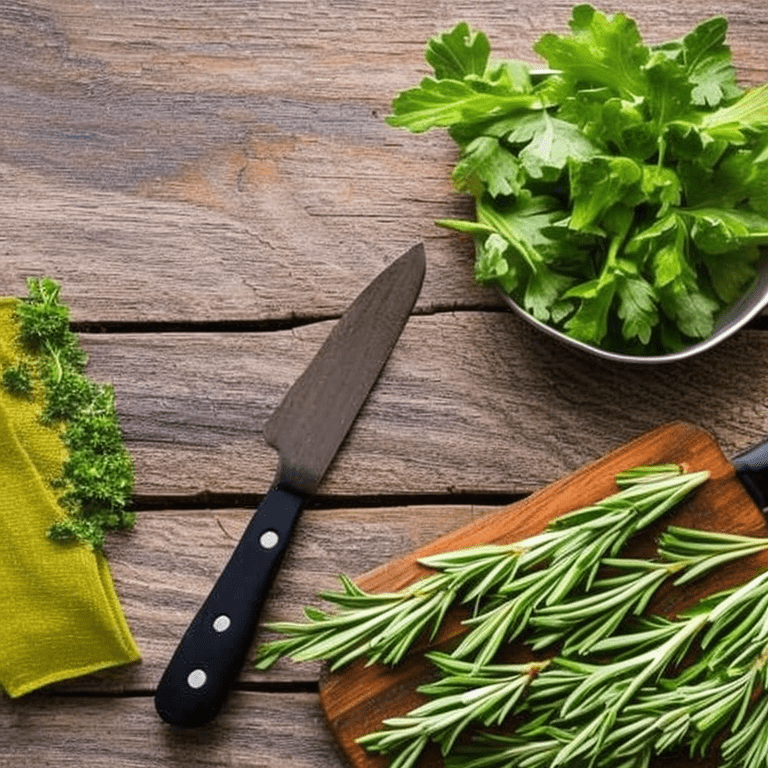
If there's one herb synonymous with red meats, especially lamb, it's rosemary. Its flavor profile is a magnificent blend of piney, savory, and slightly peppery notes, robust enough to stand its ground against lamb's richness without becoming overwhelming. Rosemary brings a warmth and depth that is simply irresistible.
- Why it works: Its strong, distinctive aroma and taste cut through the richness of lamb beautifully, enhancing its savory qualities.
- How to use it:
- Marinades: Combine chopped fresh rosemary with garlic, olive oil, and a touch of lemon zest for an incredible marinade for chops, roasts, or leg of lamb.
- Rubs: Finely chop fresh or dried rosemary and mix with salt, pepper, and garlic powder for a dry rub.
- Roasting: Tuck whole sprigs of rosemary into the roasting pan around a lamb shoulder or leg, allowing its essential oils to infuse the meat and drippings.
- Searing: Add a sprig to the pan while searing lamb chops to impart subtle flavor.
Thyme: Earthy Subtlety and Versatility
Thyme is another indispensable herb for lamb, offering an earthy, slightly floral, and subtle flavor that layers beautifully with other aromatics without dominating the dish. It's less assertive than rosemary but equally vital for building complex flavor profiles.
- Why it works: Its gentle earthiness complements lamb's inherent flavors, providing a foundational aroma that enhances rather than competes.
- How to use it:
- Roasting & Braising: Thyme holds its flavor well during long cooking times, making it ideal for slow-roasted lamb or hearty stews.
- Marinades & Rubs: Use fresh or dried thyme in conjunction with rosemary and garlic for a classic Mediterranean-inspired rub.
- Grilling: Mix fresh thyme leaves with lemon zest and olive oil for a bright and herbaceous coating for grilled lamb cutlets.
Mint: The Bright & Cooling Contrast
Mint might seem like an unexpected choice for meat, but it is a legendary herb for lamb, particularly in Western cuisine. Its bright, cool, and slightly sweet flavor provides a spectacular contrast to lamb's gamey depth, cutting through the richness with a refreshing lift.
- Why it works: Mint’s invigorating freshness offers a perfect counterpoint to the savory, robust character of lamb, cleansing the palate.
- How to use it:
- Sauces: Traditionally used in classic mint sauce or jelly, and brilliantly in creamy yogurt-based sauces like tzatziki.
- Marinades: A small amount of finely chopped mint in a marinade can infuse lamb with a delicate freshness.
- Finishing Herb: Sprinkle freshly chopped mint over cooked lamb chops or a roasted leg just before serving to add a vibrant aroma and visual appeal. Remember: A little mint goes a long way; too much can quickly overpower the lamb.
Oregano: Mediterranean Spirit
Oregano, especially in its dried form, brings an undeniable Mediterranean warmth and savory depth to lamb. Fresh oregano is more robust and peppery, while dried oregano offers a more subtle, earthy, and highly concentrated flavor profile.
- Why it works: Its pungent, slightly bitter, and earthy notes complement lamb's richness, evoking a distinctly Greek or Italian culinary experience.
- How to use it:
- Greek-style Dishes: Essential for dishes like souvlaki, gyros, or lamb stew with tomatoes and feta.
- Rubs: Combine dried oregano with garlic, salt, pepper, and a hint of lemon for a quintessential lamb rub.
- Sauces & Dressings: Infuse oregano into olive oil-based dressings or tomato sauces served with lamb.
Garlic: The Aromatic Powerhouse (Honorary Herb)
While not technically an herb, garlic is an indispensable companion to lamb. Its pungent, savory, and wonderfully aromatic qualities are foundational to nearly every successful lamb dish, providing depth and a irresistible perfume.
- Why it works: Garlic's intense flavor amplifies the savory notes of lamb, creating a more rounded and satisfying taste experience.
- How to use it:
- Everywhere: Rub whole cloves onto a leg of lamb, mince it into marinades, crush it into rubs, or slice it thinly and insert it into slits made in a roast.
- Infused Oils: Gently sauté minced garlic in olive oil before adding it to lamb preparations.
- Roasted: Roasting whole heads of garlic alongside lamb produces sweet, mellow cloves perfect for spreading or incorporating into pan sauces.
Beyond the Basics: Exciting Bonus Herbs to Explore
While the classics are indispensable, exploring other herbs can introduce new dimensions and cater to diverse culinary traditions.
- Parsley: A fantastic finishing herb for lamb, offering bright freshness and a pop of color. Flat-leaf parsley is preferred for its cleaner, less bitter flavor. Use it chopped liberally at the end of cooking or as a garnish.
- Basil: Best reserved for lamb dishes with a summery, Mediterranean flair, often paired with tomatoes, lemon, or balsamic vinegar. Its sweet, peppery notes work well with milder lamb cuts.
- Cilantro: An excellent choice for spiced lamb recipes, particularly those drawing inspiration from Spanish, Middle Eastern, or Indian cuisines. Its bright, citrusy, and slightly pungent flavor can elevate curries, tagines, or spicy kebabs.
- Dill: While less common, dill's fresh, slightly anisy flavor can be surprisingly good with lamb, especially in creamy yogurt sauces or in dishes with a Northern European or Greek influence.
Mastering Herb Application: Tips for Success
Knowing which herb for lamb to use is only half the battle; understanding how to apply them effectively is crucial for optimal flavor.
- Fresh vs. Dried: Fresh herbs generally offer brighter, more nuanced flavors, while dried herbs (especially oregano and thyme) provide concentrated, earthy depth and stand up well to longer cooking times. As a general rule, use about three times more fresh herbs than dried.
- Layering Flavors: Don't be afraid to combine herbs! Rosemary, thyme, and garlic form a natural triumvirate. Mint can add a high note, while oregano contributes a Mediterranean base. Think about balance and how each herb contributes to the overall aromatic profile. For more in-depth techniques, explore Mastering Lamb Flavor: Essential Herbs & Usage Tips.
- Timing is Everything:
- Early: Robust herbs like rosemary, thyme, and oregano can be added at the beginning of cooking (marinades, rubs, roasting pans) to allow their flavors to fully infuse the meat.
- Mid-way: Some herbs, when added during braising or stewing, will soften and meld their flavors.
- Finishing: Delicate herbs like mint, parsley, or fresh basil are best added towards the end of cooking or as a garnish to preserve their vibrant aromas and textures.
- Preparation: Bruise woody herbs like rosemary and thyme by gently crushing them to release their essential oils, or finely chop them for rubs and marinades. For delicate herbs, a light chop is often sufficient.
- Taste and Adjust: Always taste your marinades, rubs, and sauces. Start with a conservative amount of herbs and adjust as needed. Remember, you can always add more, but you can't take away! These subtle nuances are often what separate a good dish from a great one. For more ideas on how to transform your lamb, read From Gamey to Gourmet: Herbs That Perfect Your Lamb Dishes.
Ultimately, the journey of pairing herbs with lamb is one of delicious discovery. By understanding the classic combinations and experimenting with others, you can unlock a world of flavor that truly elevates your lamb dishes, turning every meal into a gourmet experience. Happy cooking!