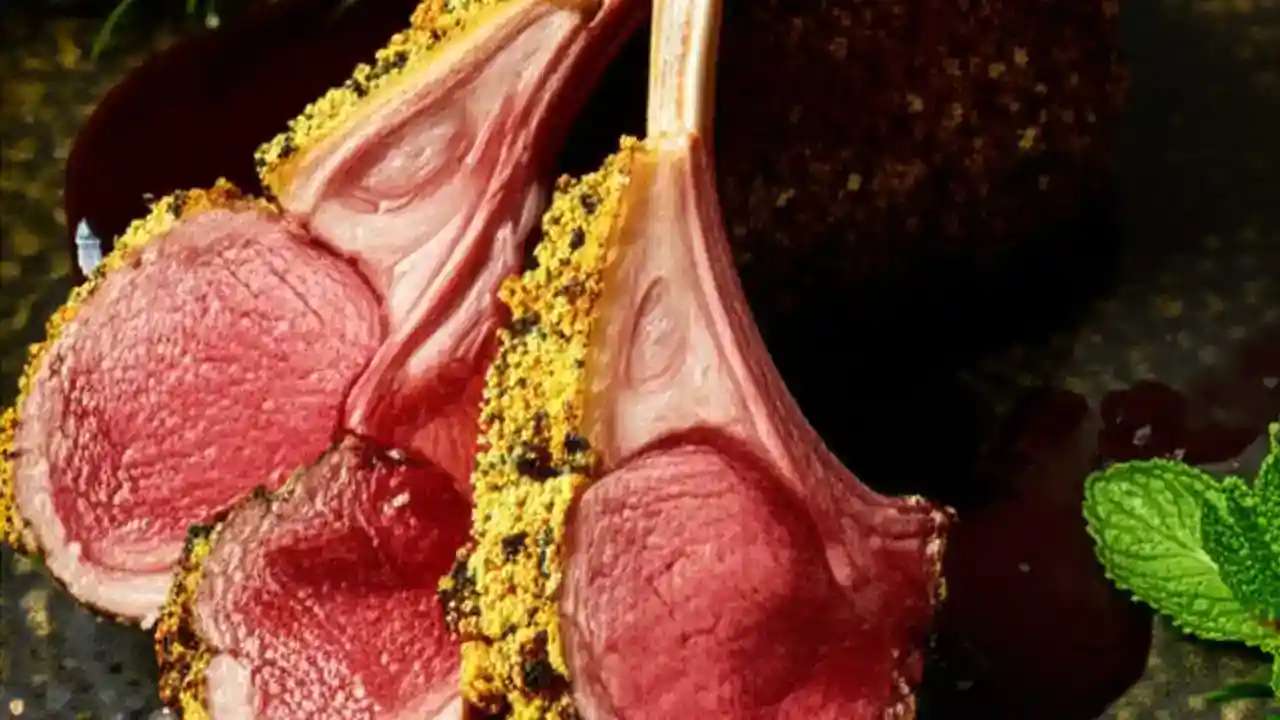
From Gamey to Gourmet: Herbs That Perfect Your Lamb Dishes
Lamb, with its distinctive, robust flavor, holds a special place in cuisines worldwide. From a slow-cooked tagine to a perfectly seared rack, its richness and savory depth are undeniable. However, to truly transform lamb from simply "gamey" to "gourmet," understanding the right accompanying flavors is paramount. This is where the magic of herbs comes in. A carefully selected
herb for lamb can cut through its richness, highlight its inherent sweetness, or add layers of aromatic complexity, elevating any dish to an unforgettable culinary experience.
The Art of Pairing: Understanding Lamb's Flavor Profile
Before diving into specific herbs, it’s essential to appreciate the unique characteristics of lamb itself. Lamb possesses a strong, meaty flavor often described as gamey, savory, and sometimes subtly sweet. This profile can vary based on the cut, the animal's age (younger lamb tends to be milder), and the cooking method. Its richness means it can stand up to bold, aromatic flavors without being overpowered, making it an ideal canvas for a wide array of herbs and spices. The goal is not to mask the lamb's flavor, but to complement and enhance it, creating a harmonious balance that delights the palate. The right
herb for lamb acts as a bridge, connecting the meat's deep notes with bright, fresh, or earthy undertones.
Classic Herbs for Lamb: Your Culinary Foundation
When embarking on your lamb-cooking journey, certain herbs are universally celebrated for their synergy with this magnificent meat. These "classic" pairings are your foundation, offering reliable and delicious results every time. Experimenting with these tried-and-true combinations is the first step to mastering lamb preparation.
Rosemary: The Bold & Aromatic Staple
If there’s one herb that immediately comes to mind when thinking about red meats, especially lamb, it’s
rosemary. This evergreen shrub boasts a bold, piney, and slightly peppery flavor that is wonderfully savory. It’s robust enough to stand its ground against lamb’s richness without becoming overwhelming, instead offering a refreshing, almost woodsy counterpoint.
*
Flavor Profile: Piney, woody, slightly peppery, savory.
*
Best Uses: Rosemary excels in marinades, infusing its aroma deep into the meat. It's fantastic rubbed directly onto lamb roasts or chops, often paired with garlic and olive oil. Sprigs tossed into a roasting pan release their fragrance, enveloping the lamb as it cooks. It's particularly magnificent with slow-roasted leg of lamb or grilled lamb chops.
*
Tips: For fresh rosemary, chop it finely to distribute its strong flavor evenly. Dried rosemary is also excellent; remember its flavor is more concentrated, so use slightly less than fresh.
Thyme: Earthy Subtlety, Layered Flavors
Thyme is another indispensable
herb for lamb, cherished for its earthy yet subtle flavor. It’s less assertive than rosemary, making it a brilliant layering herb that complements other ingredients without demanding the spotlight. Its gentle character allows it to blend seamlessly, adding depth and warmth.
*
Flavor Profile: Earthy, floral, slightly minty, subtle.
*
Best Uses: Thyme is incredibly versatile. It shines in slow-cooked dishes like stews and braises, where its flavor can gently meld over time. For roasted lamb, it can be added to rubs or placed in the roasting pan. Mixed with lemon zest, it creates a vibrant coating for grilled lamb. It also makes a fantastic addition to marinades and can be used to infuse butter or oil for basting.
*
Tips: Fresh thyme sprigs can be added whole to dishes and removed before serving. For dried thyme, rub it between your fingers to release its aromatics before adding.
Mint: A Refreshing Counterpoint
Mint offers a bright, cooling contrast to lamb's inherent richness and gamey depth, creating a truly harmonious and traditional pairing. Its refreshing quality cuts through the fat, cleansing the palate with each bite. This makes it an iconic
herb for lamb in many culinary traditions.
*
Flavor Profile: Bright, cool, sweet, aromatic.
*
Best Uses: Traditionally, mint features prominently in yogurt-based sauces like tzatziki or vibrant mint sauces, served alongside roasted or grilled lamb. It can also be finely chopped and incorporated into marinades, or used as a fresh finishing herb, sprinkled over the cooked dish just before serving.
*
Crucial Warning: A little mint goes a very long way. Its flavor can quickly become overpowering, dominating the lamb rather than complementing it. Use it sparingly, especially when fresh, to avoid a toothpaste-like sensation.
Oregano: Mediterranean Magic
Oregano brings a distinctive Mediterranean flair to lamb dishes, whether fresh or dried. Its robust flavor profile makes it a strong contender when seeking a quintessential
herb for lamb, particularly for dishes inspired by Greek or Italian traditions.
*
Flavor Profile: Fresh oregano is robust, peppery, and pungent. Dried oregano is more subtle, earthy, and savory, intensifying when cooked.
*
Best Uses: Oregano is a star in Greek-style lamb preparations, such as lamb kleftiko or grilled lamb skewers. It’s excellent in rubs, combined with garlic and lemon for a bright, savory coating. It also pairs well in marinades for barbecued lamb.
*
Tips: While fresh oregano is powerful, dried oregano is often preferred for lamb as its more concentrated, earthy notes develop beautifully with cooking. Unless a recipe specifically calls for fresh, dried is usually the more reliable choice for depth of flavor.
Garlic: The Aromatic Powerhouse (Honorary Herb)
While not technically an herb, garlic is so intrinsically linked with lamb that it deserves an honorary mention and a permanent spot in your lamb seasoning arsenal. Its pungent, aromatic depth is utterly essential for enhancing lamb's savory qualities.
*
Flavor Profile: Pungent, savory, aromatic, slightly sweet when roasted.
*
Best Uses: Everywhere, and on almost everything lamb-related! Rub minced garlic directly onto roasts, chops, or steaks. Incorporate it generously into marinades and rubs. It’s a foundational flavor in lamb stews, braises, and especially a classic rack of lamb. Roasting whole cloves alongside the lamb sweetens them, creating a mellow spread.
*
Tips: Adjust the amount to your preference, but don't shy away from it. Garlic helps to build a complex flavor base that elevates the entire dish.
Expanding Your Palate: Bonus Herbs and Creative Combinations
Beyond the classics, several other herbs can open up new culinary horizons for your lamb dishes, allowing for experimentation and personalized flair. The journey to discovering your perfect
herb for lamb is one of delightful exploration.
Parsley: Freshness and Finish
Parsley, with its clean, bright, and slightly peppery notes, is primarily used as a finishing herb for lamb. It adds a welcome burst of freshness and vibrant green color, lifting the overall presentation and taste.
*
Best Uses: Sprinkle freshly chopped parsley over finished lamb dishes, stews, or even a simple grilled chop just before serving. It's also a great addition to gremolata, a zesty Italian condiment that pairs wonderfully with rich meats.
Basil: Summer Mediterranean Vibes
Basil's sweet, peppery, and slightly anise-like flavor brings a distinctly summery, Mediterranean character to lamb. While less common than rosemary or thyme, it can be a delightful surprise.
*
Best Uses: Best suited for lighter lamb preparations, such as lamb meatballs in a tomato sauce, or grilled lamb paired with fresh vegetables, often in dishes with Italian or Southern French influences.
Cilantro: For Spiced and Global Flavors
Cilantro's distinctive fresh, citrusy, and slightly peppery flavor pairs exceptionally well with spiced lamb dishes, particularly those found in Spanish, Middle Eastern, and North African cuisines.
*
Best Uses: Fantastic in marinades for lamb tagines, kebabs, or curries. It’s also excellent as a fresh garnish for spiced lamb dishes, adding a burst of green herbaceousness. For more insights into how different herbs elevate lamb, consider exploring articles like
Elevate Your Lamb: Discover the Best Herbs for Flavor.
Remember, the true art of cooking lamb lies in experimentation. Don't be afraid to mix and match these herbs, considering the cooking method and the desired flavor profile. For instance, a robust roast might benefit from a medley of rosemary, thyme, and garlic, while a refreshing lamb salad might call for mint and cilantro. Understanding the nuances of fresh versus dried herbs, and when to add them (e.g., hardier herbs like rosemary and thyme can go in early, while delicate herbs like mint and parsley are best added towards the end) is key to maximizing their impact. For advanced tips on herb usage, check out
Mastering Lamb Flavor: Essential Herbs & Usage Tips.
In conclusion, the journey from gamey to gourmet is paved with the thoughtful application of herbs. Whether you lean on the robust pine of rosemary, the subtle earthiness of thyme, the vibrant cool of mint, the Mediterranean zest of oregano, or the essential depth of garlic, each
herb for lamb plays a crucial role. By understanding their unique characteristics and how they interact with lamb's rich flavor profile, you can transform simple cuts into extraordinary culinary masterpieces that will impress any palate. So, go forth, experiment, and discover your signature lamb creation!